
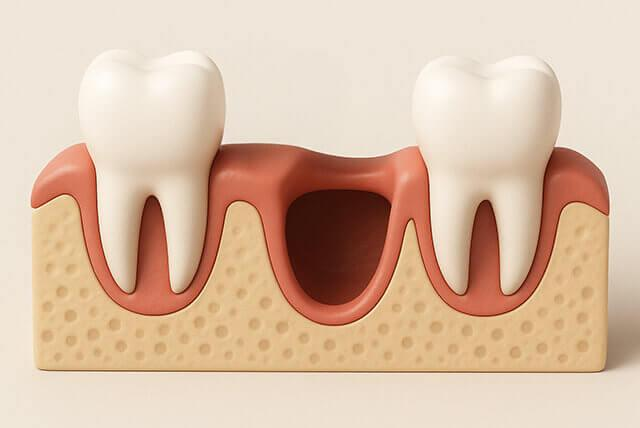
Have you lost a tooth because of decay, gum disease, or an injury? A missing tooth can affect more than your smile. Depending on its location, it may also make chewing or speaking difficult and affect your confidence.
The good news is that several tooth replacement options are available, including dental implants.
Dental implants are designed to replace the root of a missing tooth and support a replacement tooth, helping restore chewing function and appearance. However, implants are not suitable for everyone, and treatment requires careful planning, healing, and long-term maintenance.
In this guide, Jyotika Dental Clinic explains how dental implants work, their benefits, the treatment process, potential risks, and what to consider before choosing this option.
1. What Are Dental Implants?
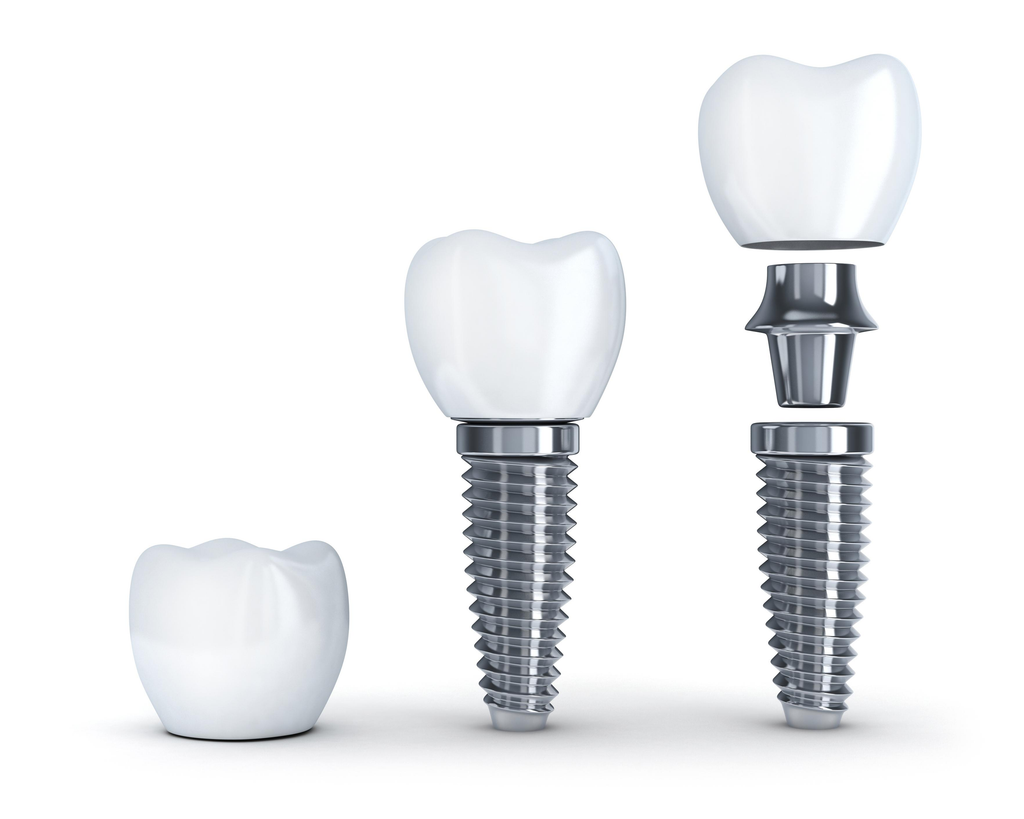
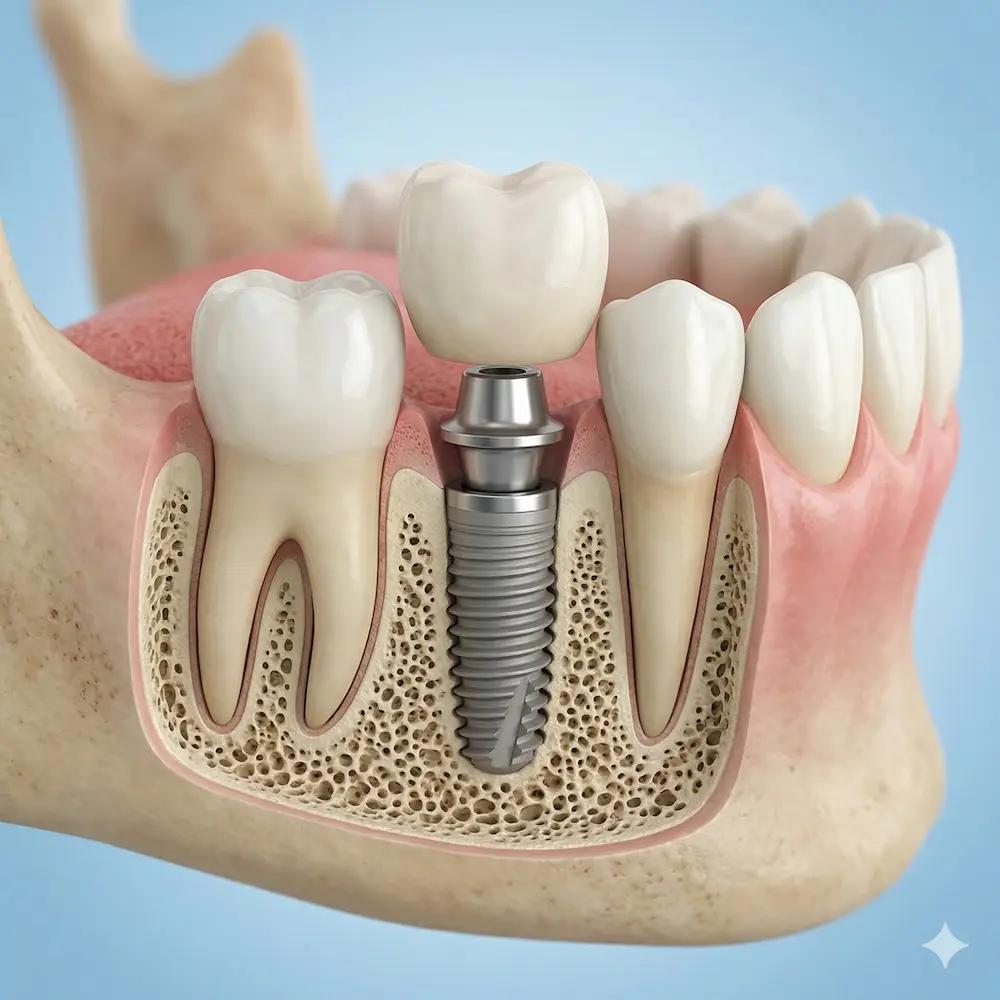
A dental implant is a small, usually titanium, post placed into the jawbone to act as an artificial tooth root. Once the implant has integrated with the surrounding bone, it can support a replacement tooth called a crown.
Depending on your needs, implants can also support bridges or dentures.
A typical dental implant restoration has three components:
- Implant: The part placed in the jawbone.
- Abutment: The connector between the implant and the replacement tooth.
- Crown: The visible part designed to resemble a natural tooth.
Dental implants are fixed in place and can be an alternative to removable dentures or conventional bridges. Your dentist will help determine which option suits your oral health, preferences, and budget.
2. Why Consider Dental Implants for a Missing Tooth?
Replacing a missing tooth may help restore everyday oral function. Dental implants offer several potential benefits.
A natural-looking smile
A custom-made crown is designed to blend with your surrounding teeth in shape and colour.
Improved chewing function
A well-planned implant restoration can help you chew more comfortably once treatment and healing are complete.
Support for the jawbone
When a tooth is lost, the bone in that area may gradually change. An implant transfers chewing forces to the surrounding bone and may help maintain bone in the treated area.
No need to rely on neighbouring teeth for support
Unlike a conventional tooth-supported bridge, a single implant generally does not require the adjacent teeth to be prepared to support it.
A fixed tooth replacement
Once the restoration is complete, the replacement tooth is fixed in place rather than being removed for daily use like a removable denture.
Important: Dental implants do not guarantee a perfect result, and they require ongoing professional care. Their suitability and likely outcome depend on individual circumstances.
3. Who Can Get Dental Implants?
Many adults with one or more missing teeth may be candidates for dental implants. However, a dental examination is necessary before treatment can be recommended.
Your dentist may assess:
- The health of your teeth and gums.
- The amount and quality of jawbone available.
- Your general health and medical history.
- Any medications you take.
- Whether you smoke or use tobacco.
- Your ability to maintain good oral hygiene.
- Your expectations, treatment preferences, and budget.
Some people may need gum treatment or a bone graft before an implant can be placed. Conditions such as diabetes do not automatically rule out implants, but how well a condition is controlled can affect treatment planning and healing.
Only a qualified dental professional can determine whether implants are appropriate for you.
4. What Happens During the Dental Implant Procedure?
Dental implant treatment usually takes place over several stages. The timeline varies depending on your oral health, the need for additional procedures, and how your body heals.
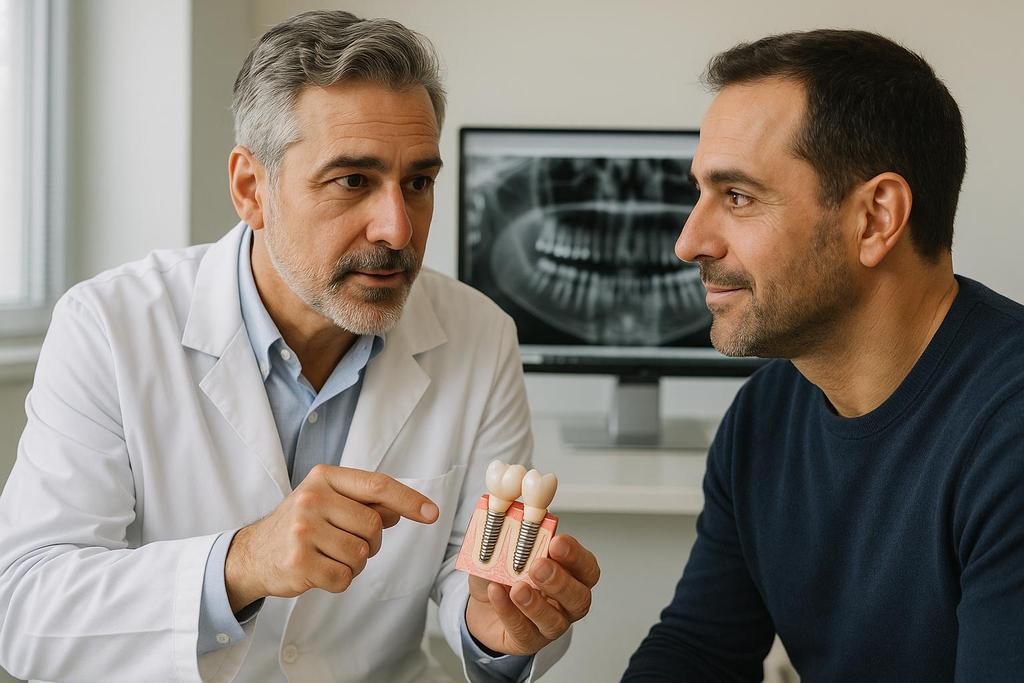
Step 1: Consultation and planning
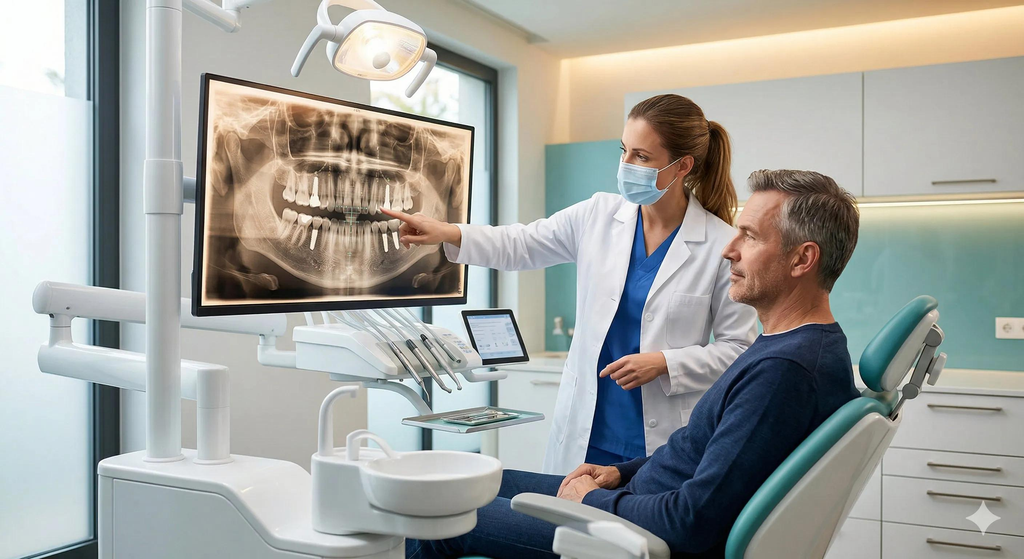
Your dentist examines your mouth and may recommend dental X-rays or 3D imaging to evaluate your jawbone and plan the implant position.
Your treatment options, expected timeline, costs, and potential risks should be discussed before you decide.
Step 2: Implant placement
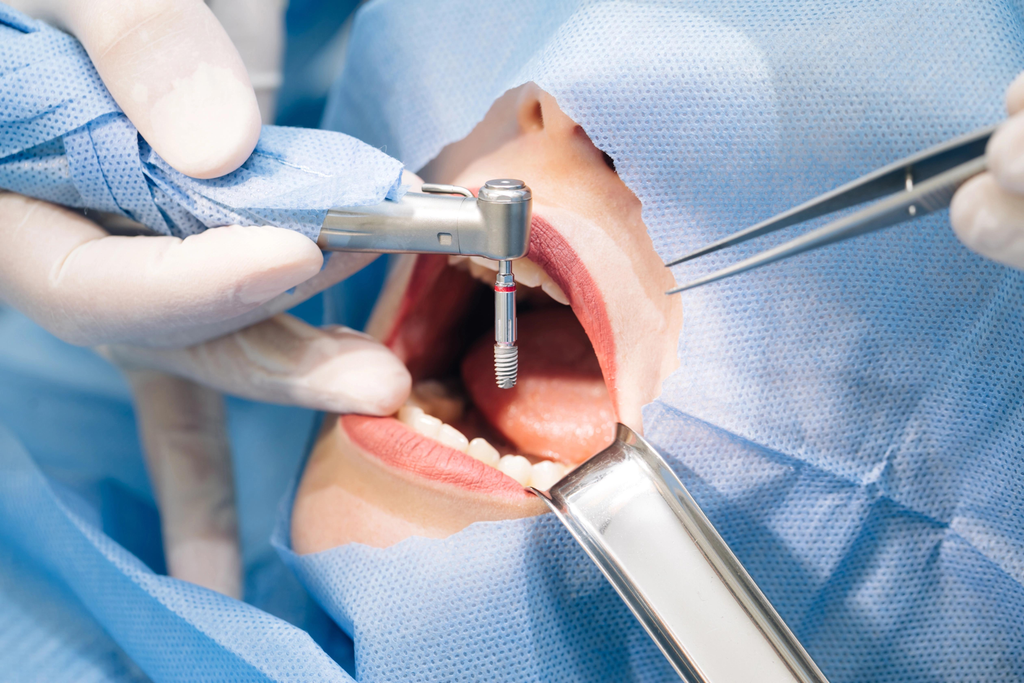
The implant is placed into the jawbone through a surgical procedure, usually with local anaesthesia. The exact approach depends on your clinical situation.
You may experience some soreness, swelling, or bruising afterwards.
Step 3: Healing and bone integration
Over the following months, the implant may integrate with the surrounding bone. This process is called osseointegration.
The healing period varies. Some patients may require additional procedures, such as bone grafting, which can extend the treatment timeline.
Step 4: Attaching the replacement tooth
Once your dentist determines that the implant is ready, the abutment and custom-made crown or other restoration can be fitted.
Your dentist will check the fit, bite, appearance, and comfort before completing treatment.
5. Are Dental Implants Painful?
It is natural to feel nervous before a dental procedure.
Implant placement is usually performed under local anaesthesia, which numbs the treatment area. You should not feel sharp pain during the procedure, although pressure or movement may be noticeable.
Afterwards, some discomfort, swelling, or bruising can occur. Your dentist will explain how to manage recovery and when to seek advice if symptoms become concerning.
Every patient has a different experience, so discuss any dental anxiety, medical conditions, or concerns with your dentist before treatment.
6. How Long Do Dental Implants Last?
Dental implants can be a long-lasting tooth replacement option, but they are not maintenance-free.
Their long-term success depends on several factors, including:
- Daily brushing and cleaning between teeth.
- Healthy gums and good oral hygiene.
- Regular dental examinations and professional cleaning.
- Avoiding smoking or tobacco.
- Managing conditions that may affect healing.
- Addressing teeth grinding or excessive bite pressure when necessary.
The implant itself and the crown are different components, and the crown may wear or need repair or replacement over time.
Regular follow-up appointments help your dentist monitor the implant, surrounding gums, and restoration.
7. What Are the Risks of Dental Implants?
Dental implant treatment is commonly performed, but it involves surgery and has potential risks.
Possible complications include:
- Infection around the implant site.
- Delayed healing or failure of the implant to integrate with the bone.
- Injury to nearby structures, depending on the implant location.
- Changes in gum health or bone around the implant.
- Loosening, wear, or damage to components of the restoration.
Smoking, certain medical conditions, inadequate bone support, and poor oral hygiene can affect treatment outcomes.
Your dentist should explain the risks relevant to your individual case and discuss alternatives before you make a decision.
8. How Should You Care for Dental Implants?
Good oral hygiene is essential after implant treatment and throughout the life of the restoration.
Follow the specific aftercare instructions provided by your dental team. General long-term care includes:
- Brush twice daily using a soft-bristled toothbrush.
- Clean between your teeth and around the implant using recommended floss or interdental tools.
- Attend regular dental check-ups.
- Avoid smoking and tobacco products.
- Follow advice about diet and healing immediately after surgery.
- Contact your dentist if the implant feels loose or you notice persistent pain, swelling, bleeding, or other unusual changes.
Do not assume an implant is healthy simply because it does not hurt. Regular professional monitoring remains important.
9. Dental Implants vs Bridges vs Dentures
The best tooth replacement option depends on your oral health and individual needs.
| Option | What to know |
|---|---|
| Dental implants | Placed in the jawbone and used to support a crown, bridge, or denture. Surgery and healing are required. |
| Dental bridges | Fixed replacement teeth supported by neighbouring teeth or implants, depending on the design. |
| Dentures | Removable appliances that replace some or all missing teeth. |
No single option is best for everyone. Your dentist can explain the expected benefits, limitations, costs, maintenance, and treatment time for each alternative.
10. When Should You Consult a Dentist About a Missing Tooth?
Consider arranging a dental appointment if you have lost a tooth, have a damaged tooth that may not be restorable, or are experiencing difficulty chewing.
A dentist can examine the area, assess your oral health, and discuss whether an implant, bridge, denture, or another treatment is appropriate.
You do not need to decide on an implant before your first visit. The purpose of the consultation is to understand your options and make an informed decision.

Frequently Asked Questions About Dental Implants
Can one missing tooth be replaced with a dental implant?
Yes. A single dental implant can support a crown to replace one missing tooth, provided you are an appropriate candidate.
How long does dental implant treatment take?
Treatment may take several months because the implant needs time to heal and integrate with the jawbone. The timeline depends on your case and whether additional procedures are required.
Are dental implants better than dentures?
Neither option is automatically better for everyone. Implants are fixed in place, while dentures are removable. Your oral health, budget, preferences, and treatment needs help determine the most suitable choice.
Can smokers get dental implants?
Smoking can increase the risk of complications and implant failure. Tell your dentist if you smoke so they can assess your risks and advise you before treatment.
Do dental implants need special cleaning?
Yes. Brush and clean between teeth and around the implant every day, and attend regular dental check-ups. Your dentist may recommend specific cleaning tools for your restoration.
Restore Your Smile with Confidence at Jyotika Dental Clinic
A missing tooth does not mean you have to stop exploring your tooth replacement options. Dental implants may be suitable for some patients, while bridges or dentures may be more appropriate for others.
At Jyotika Dental Clinic, we encourage patients to understand their options, ask questions, and make informed decisions about their oral health.
If you are considering dental implants, book a consultation to discuss your needs and find out which treatment may be right for you.
📞 Call: 098782 01293
📍 Visit: Jyotika Dental Clinic, Shop No. 39, Singh Market, Old Ropar Road, near Happy Family Hospital, Sector 13, Chandigarh.
A healthier smile begins with an informed choice.
Disclaimer: This article is for general educational purposes only and is not a substitute for an individual dental examination, diagnosis, or treatment plan.