
Why Do Your Teeth Hurt When You Eat or Drink Something Cold?
Have you ever taken a sip of cold water, enjoyed an ice cream, or eaten something sweet and suddenly felt a sharp pain in your teeth?
If yes, you may be experiencing tooth sensitivity.
Tooth sensitivity is a common dental concern that can cause temporary discomfort when your teeth come into contact with cold, hot, sweet, acidic, or sometimes even air. The pain may last only a few seconds, but recurring sensitivity can make everyday activities uncomfortable.
The good news is that tooth sensitivity can often be managed once its underlying cause is identified.
In this article, we explain the common causes of sensitive teeth, available treatment options, prevention tips, and when you should visit a dentist.

What Is Tooth Sensitivity?
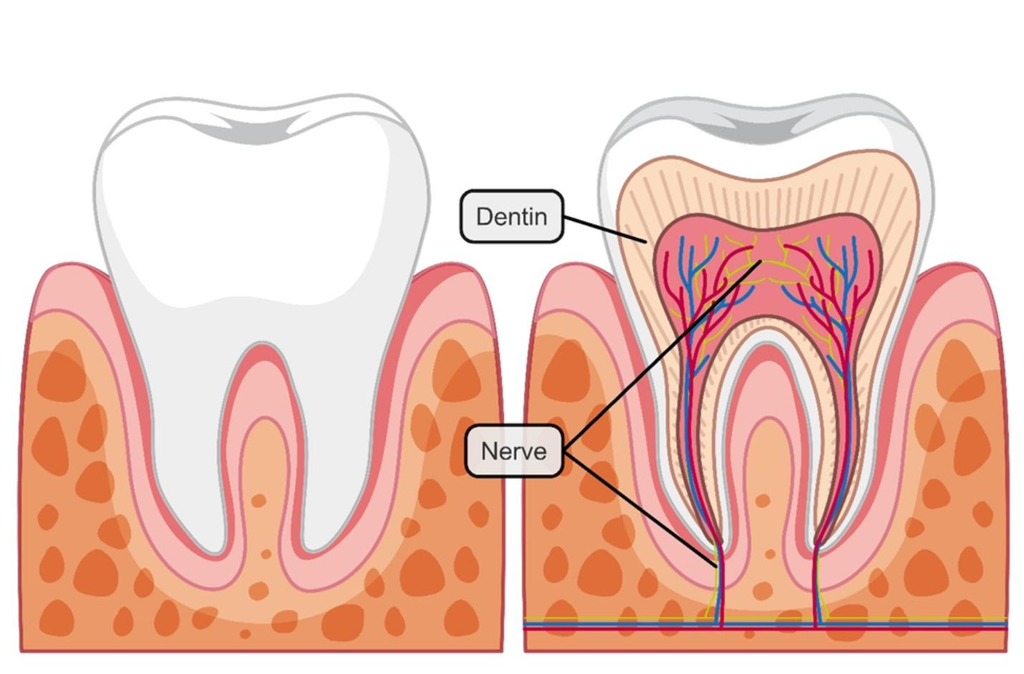
Tooth sensitivity, also known as dentin hypersensitivity, occurs when the inner layer of a tooth called dentin becomes exposed or when another dental problem makes the tooth sensitive.
Dentin contains tiny channels that can transmit stimuli toward the nerves inside the tooth. When dentin is exposed, cold drinks, hot foods, sweet foods, or brushing may trigger a short, sharp sensation.
Healthy enamel and gum tissue help protect the sensitive inner structures of your teeth. When this protection is reduced, discomfort may occur.
If tooth sensitivity happens frequently or affects just one tooth, do not ignore it. A dental examination can help identify the cause and determine the right treatment.
Common Causes of Tooth Sensitivity
Tooth sensitivity can develop for several reasons. Identifying the cause is important because the right treatment depends on what is happening inside or around the tooth.
1. Worn Tooth Enamel
Enamel is the hard outer layer that protects your teeth. Frequent exposure to acidic foods and drinks, aggressive brushing, and other factors can wear down enamel over time.
When enamel becomes thinner or damaged, the dentin underneath may become exposed, making your teeth more sensitive to temperature changes.
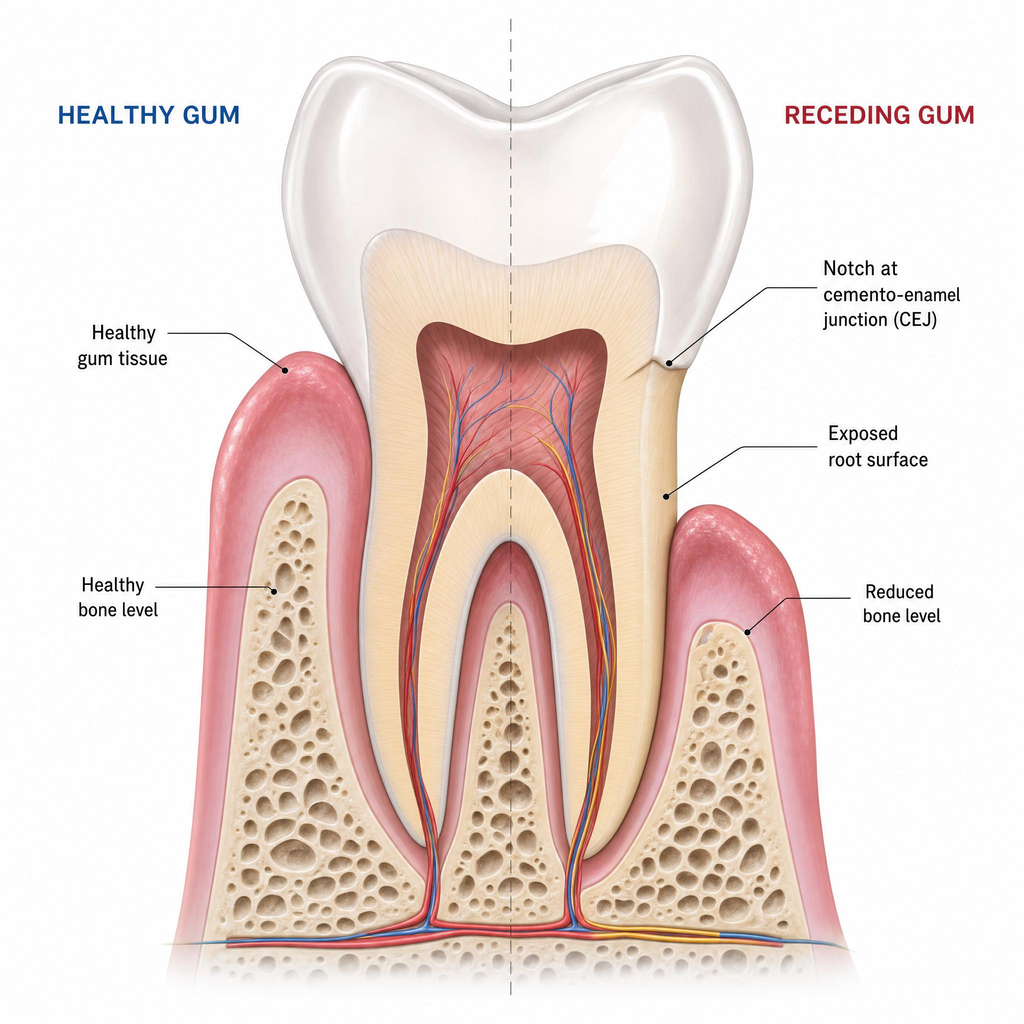
2. Gum Recession
Your gums help protect the roots of your teeth. When gums recede, the roots can become exposed and more sensitive to cold drinks, hot foods, or brushing.
Gum recession can be associated with gum disease, brushing too aggressively, and other factors.
3. Tooth Decay and Cavities
A cavity can cause sharp pain when you eat or drink something cold, hot, or sweet. As tooth decay progresses, it can reach deeper layers of the tooth and cause increasing discomfort.
If you notice sensitivity in one particular tooth, especially if it is persistent or worsening, arrange a dental examination.
4. Cracked or Chipped Teeth
A cracked or chipped tooth may cause sensitivity when you bite down or consume cold foods and drinks.
Sometimes cracks are difficult to see without a dental examination. Do not ignore sudden sensitivity following an injury or when chewing.
5. Teeth Grinding
Grinding or clenching your teeth, particularly during sleep, can gradually wear down enamel and place stress on your teeth.
If you experience tooth sensitivity alongside jaw discomfort, headaches, or worn tooth surfaces, discuss these symptoms with your dentist.
6. Recent Teeth Whitening or Dental Treatment
Some people experience temporary tooth sensitivity after professional whitening or certain dental procedures.
If the sensitivity is severe, persists longer than expected, or gets worse, contact your dentist for advice.
These are common causes, but sensitivity alone cannot confirm a diagnosis. Your dentist can examine your teeth and gums to determine the underlying problem.
Symptoms of Tooth Sensitivity
Tooth sensitivity can feel different from person to person. Common symptoms include:
- Sharp pain when drinking cold water.
- Discomfort when eating ice cream.
- Sensitivity to hot beverages.
- Pain when eating sweet or acidic foods.
- Discomfort while brushing or flossing.
- A brief, sharp sensation when breathing in cold air.
Some people experience a quick sensation that disappears immediately. Others have pain that lasts longer or becomes more frequent.
Pay attention to the pattern of your tooth sensitivity. Pain that persists after the trigger is removed, occurs spontaneously, or affects one tooth repeatedly deserves prompt dental assessment.
How Is Tooth Sensitivity Treated?
The treatment for tooth sensitivity depends on its cause. There is no single treatment that works for every person.
1. Desensitizing Toothpaste
Your dentist may recommend toothpaste formulated for sensitive teeth. These products contain ingredients that help reduce sensitivity by blocking pain signals or protecting exposed dentin.
They may require regular use before you notice improvement. Follow the product instructions and your dentist’s advice.
2. Professional Fluoride Treatment
A dentist may apply fluoride to sensitive areas to help strengthen enamel and reduce discomfort when appropriate.
3. Dental Fillings or Bonding
If a cavity, chipped area, or other tooth defect is causing sensitivity, your dentist may recommend a filling or bonding to restore and protect the affected area.
4. Treatment for Gum Recession
If exposed tooth roots are causing sensitivity, treatment may focus on the underlying gum problem. Depending on the condition, your dentist may recommend protective materials or other periodontal treatments.
5. Treatment for Severe or Persistent Sensitivity
If sensitivity is caused by deep decay or damage to the tooth’s inner tissue, more extensive treatment may be necessary. In certain cases, root canal treatment may be recommended.
The important point is to treat the underlying cause rather than simply masking the pain.

How to Prevent Tooth Sensitivity
Good oral hygiene and a few everyday habits can help protect your teeth.
Brush Gently Twice a Day
Use a soft-bristled toothbrush and fluoride toothpaste. Avoid scrubbing your teeth aggressively, as excessive pressure can contribute to gum irritation and tooth wear.
Limit Acidic Foods and Drinks
Frequent exposure to acidic drinks and foods can contribute to enamel erosion. Try to limit frequent sipping of acidic beverages and rinse your mouth with water afterward.
Avoid brushing immediately after consuming acidic foods or drinks; give your mouth time to recover first.
Use Toothpaste for Sensitive Teeth When Recommended
If your teeth are sensitive, ask your dentist whether a desensitizing toothpaste is appropriate for you.
Avoid Excessive Whitening Products
Some whitening products can increase sensitivity. Consult your dentist before starting whitening treatment, especially if you already experience discomfort.
Maintain Regular Dental Check-Ups
Regular check-ups help your dentist identify cavities, gum problems, enamel wear, and other conditions before they become more serious.

When Should You Visit a Dentist?
Do not ignore tooth sensitivity if it keeps returning or affects your daily activities.
Book a dental appointment if:
- Your teeth hurt regularly when drinking cold water.
- Sensitivity is getting worse.
- One tooth is particularly painful.
- Pain continues after eating or drinking.
- You experience pain while biting or chewing.
- You notice a visible cavity, crack, or chipped tooth.
- Your gums are swollen, painful, or receding.
Seek urgent dental advice if you develop severe tooth pain, facial or gum swelling, fever, or signs of infection. Difficulty breathing or swallowing alongside dental swelling requires emergency medical attention.
Early assessment can help identify the problem and prevent further damage.
Frequently Asked Questions About Tooth Sensitivity
Why do my teeth hurt when I drink cold water?
Cold water can trigger pain when dentin is exposed due to enamel wear or gum recession. Cavities, cracks, worn fillings, and other dental problems can also cause sensitivity. A dentist can identify the cause.
Can tooth sensitivity go away on its own?
Temporary sensitivity may settle, particularly after certain dental procedures. However, recurring or persistent sensitivity should be evaluated because it can be caused by cavities, cracks, gum problems, or enamel wear.
Which toothpaste is best for sensitive teeth?
A fluoride toothpaste formulated for sensitive teeth may help. The best choice depends on your symptoms and dental condition, so ask your dentist for a recommendation.
Does tooth sensitivity mean I have a cavity?
Not always. Sensitivity can occur because of exposed dentin, gum recession, enamel wear, or other issues. However, cavities are one possible cause and should be ruled out when symptoms persist.
Can brushing too hard cause sensitive teeth?
Yes. Aggressive brushing can contribute to gum recession and tooth wear, potentially exposing sensitive areas. Use a soft-bristled toothbrush and gentle brushing movements.
When should I worry about tooth sensitivity?
Seek dental advice if sensitivity is persistent, worsening, concentrated in one tooth, or accompanied by pain when biting, swelling, or other unusual symptoms.
Protect Your Smile with Jyotika Dental Clinic
Tooth sensitivity may seem like a small problem, but recurring discomfort can affect your ability to enjoy everyday foods and drinks.
At Jyotika Dental Clinic, Chandigarh, a dental examination can help identify the cause of your sensitive teeth and determine an appropriate treatment plan.
Whether your discomfort is related to enamel wear, gum recession, or a possible cavity, getting the right diagnosis is the first step toward better oral health.
Don’t let sensitive teeth stop you from enjoying your favourite foods and drinks.
Book your dental consultation today!
Jyotika Dental Clinic, Chandigarh
Phone: 098782 01293
Healthy teeth. Comfortable smiles. Better dental care.