

Why Your Gums Bleed While Brushing and What to Do About It
Do Your Gums Bleed While Brushing?
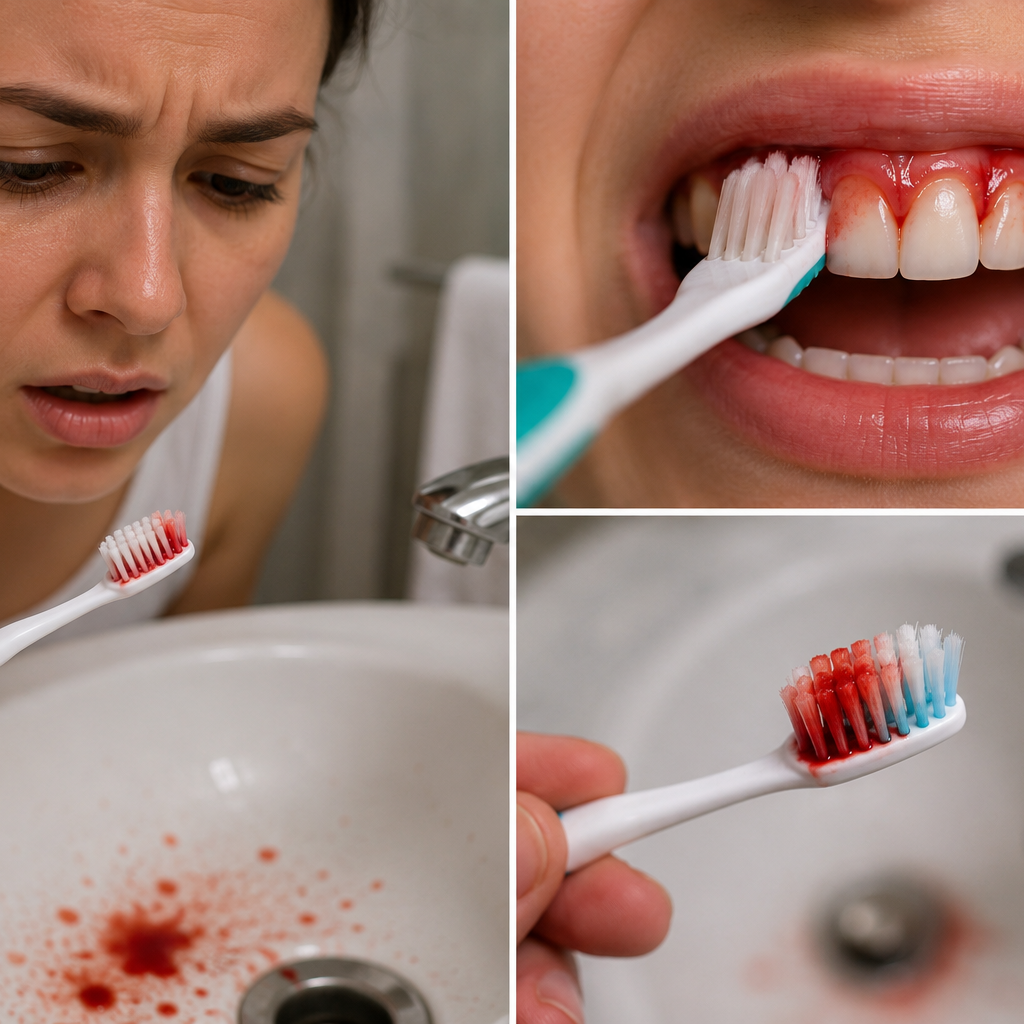
Have you ever noticed blood in the sink after brushing your teeth?
Many people ignore bleeding gums, assuming it’s normal or caused by brushing too hard. However, healthy gums should not bleed regularly. Bleeding gums are often an early warning sign that something is wrong with your oral health.
Understanding the bleeding gums causes can help you prevent serious dental problems and maintain a healthy smile.
What Causes Bleeding Gums?
1. Gingivitis (Early Gum Disease)
The most common cause of bleeding gums is gingivitis.
When plaque builds up along the gumline, bacteria irritate the gums, causing inflammation. As a result, your gums may become:
- Red
- Swollen
- Tender
- Prone to bleeding while brushing or flossing
The good news is that gingivitis is reversible when treated early.
2. Poor Oral Hygiene
Skipping brushing or flossing allows plaque and bacteria to accumulate on teeth and gums.
Over time, plaque hardens into tartar, which can only be removed by a dental professional.
Signs include:
- Bleeding while brushing
- Bad breath
- Gum sensitivity
3. Brushing Too Hard
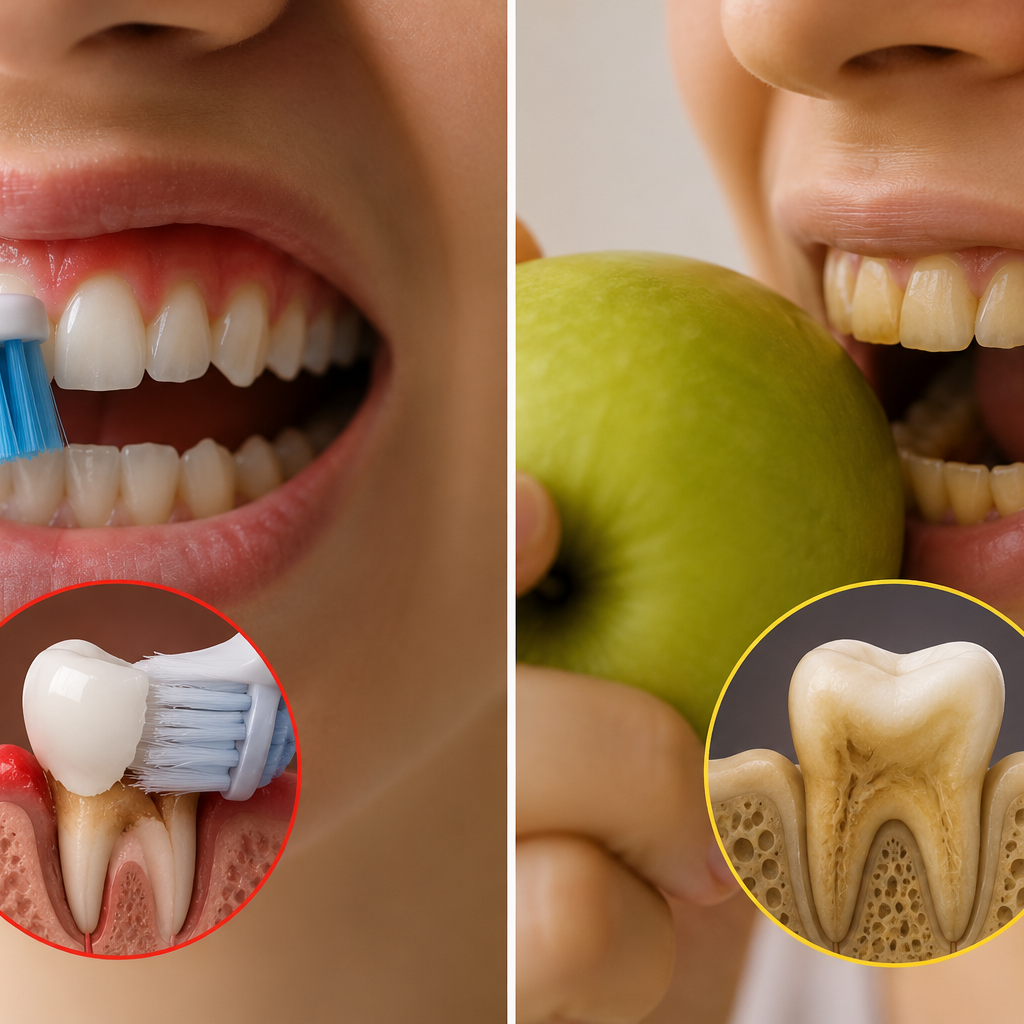
Aggressive brushing can damage delicate gum tissues.
Many people believe harder brushing cleans better, but it can actually cause:
- Gum recession
- Irritation
- Bleeding
Use a soft-bristled toothbrush and gentle circular motions instead.
4. Vitamin Deficiencies
Lack of essential nutrients such as:
- Vitamin C
- Vitamin K
can weaken gum tissues and increase the risk of bleeding.
A balanced diet rich in fruits and vegetables supports healthy gums.
5. Smoking and Tobacco Use
Smoking and chewing tobacco reduce blood flow to the gums and weaken the body’s ability to fight infection.
Tobacco users are more likely to develop:
- Gum disease
- Tooth loss
- Persistent bleeding gums
6. Hormonal Changes
Pregnancy, puberty, and menopause can make gums more sensitive and prone to bleeding.
Hormonal fluctuations increase blood flow to the gums, making them react more strongly to plaque buildup.
When Should You Be Concerned?
Occasional minor bleeding may not always indicate a serious problem.
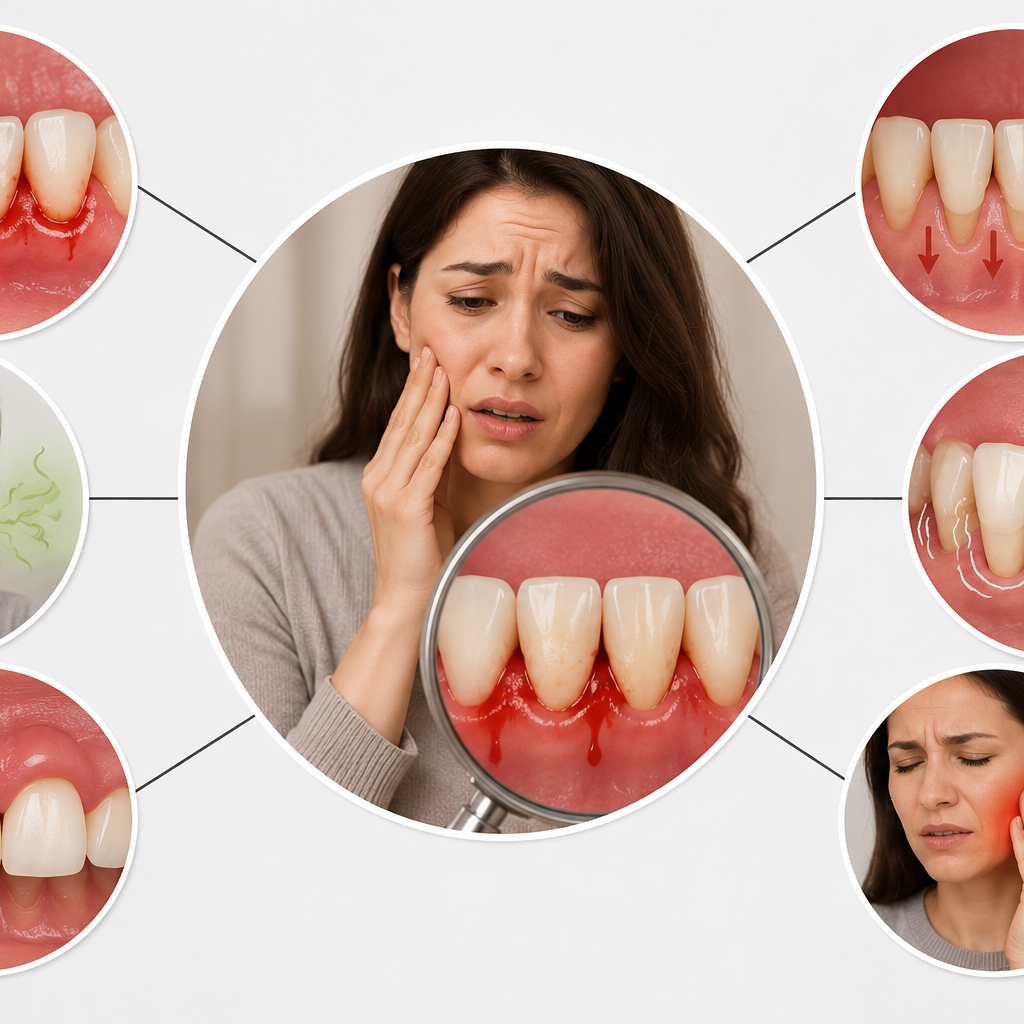
However, you should visit a dentist if you experience:
- Frequent bleeding gums
- Persistent bad breath
- Swollen gums
- Receding gums
- Loose teeth
- Pain while chewing
Ignoring these symptoms can lead to advanced gum disease and tooth loss.
What Can You Do About Bleeding Gums?
Improve Your Oral Hygiene
- Brush twice daily
- Floss every day
- Use an antibacterial mouthwash
- Clean your tongue regularly
Schedule Professional Dental Cleanings
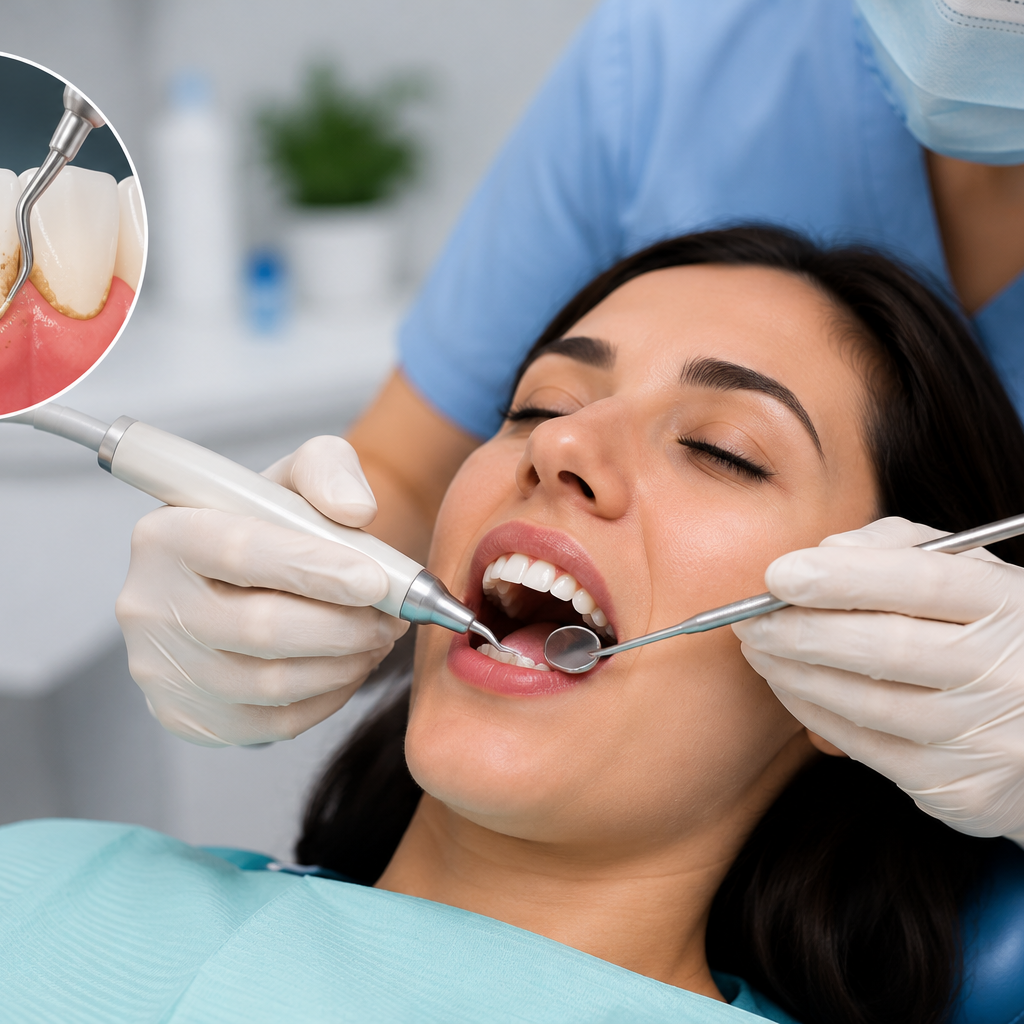
Regular dental cleanings remove plaque and tartar that cannot be removed at home.
Eat a Healthy Diet
Consume foods rich in:
- Vitamin C
- Calcium
- Antioxidants
Avoid Tobacco Products
Quitting smoking and tobacco use significantly improves gum health and reduces inflammation.
How Jyotika Dental Clinic Can Help
At Jyotika Dental Clinic, we provide comprehensive dental examinations and professional gum care to identify the root cause of bleeding gums.
Our services include:
✅ Professional Dental Checkups
✅ Deep Cleaning & Scaling
✅ Gum Disease Treatment
✅ Preventive Dental Care
✅ Personalized Oral Hygiene Guidance
Early treatment can prevent minor gum problems from becoming serious dental conditions.
Conclusion
Bleeding gums should never be ignored. They are often one of the first signs of gum disease or poor oral health.
If you notice blood while brushing or flossing, don’t wait for the problem to worsen.
A professional dental examination can help identify the cause and protect your smile for years to come.
Book Your Appointment Today
Jyotika Dental Clinic
📍 Shop No. 39, Singh Market, Old Ropar Rd, Near Manav Dairy & Happy Family Hospital, New Darshani Bagh, Sector 13, Chandigarh – 160101
📞 Call: 098782 01293
Healthy gums are the foundation of a healthy smile.
